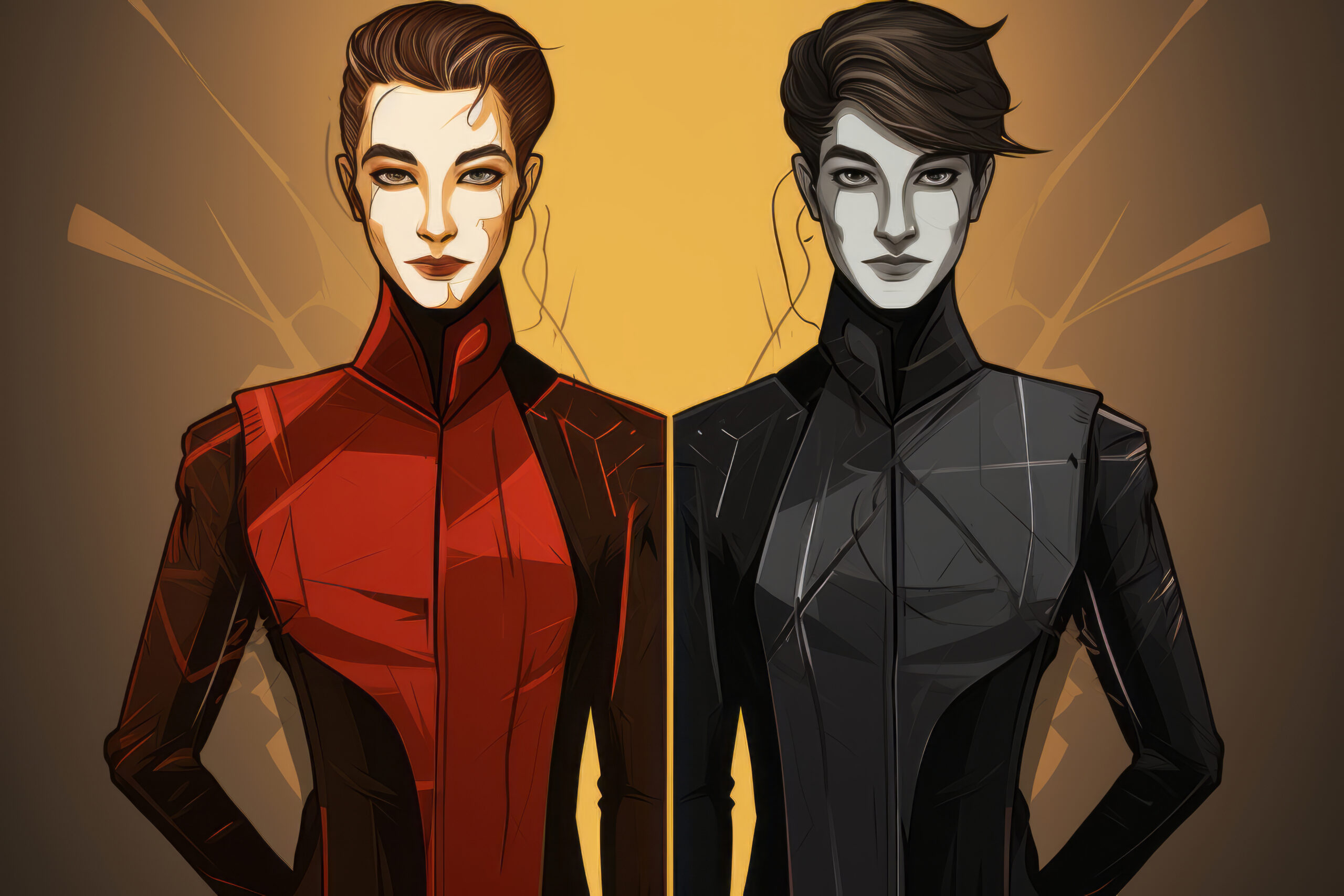
Morally grey anime characters are some of the most compelling figures in the medium. They are neither purely heroic nor outright villainous. Instead, they operate in the uncomfortable space between right and wrong, driven by personal logic, trauma, ambition, or necessity. Their actions may be questionable, even cruel at times, yet their motivations are often understandable.
These characters force viewers to question morality itself. They challenge simple ideas of justice and remind us that good intentions do not always lead to good outcomes.
What Makes a Character Morally Grey
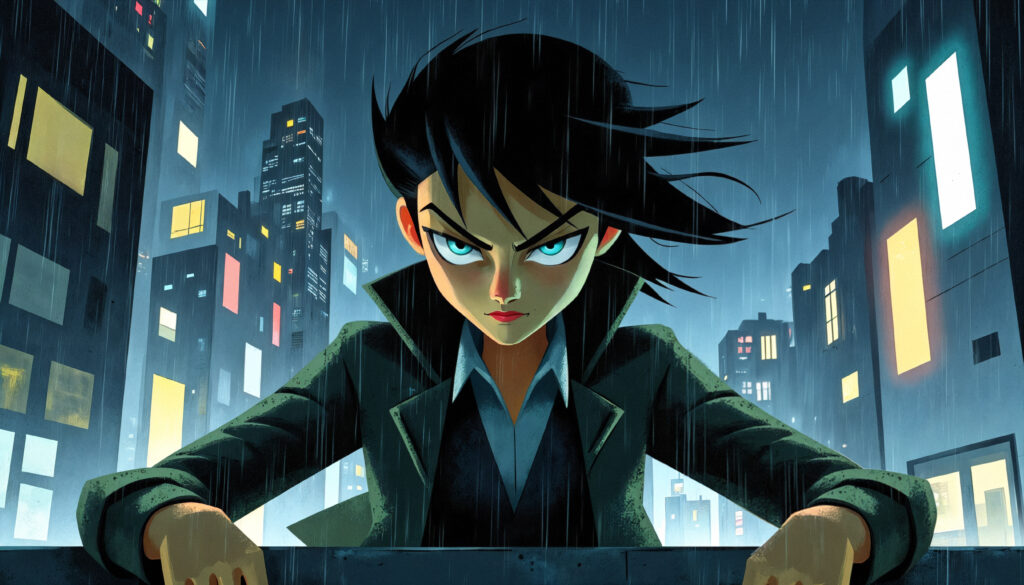
Morally grey characters usually share a few defining traits:
- They act according to personal beliefs rather than clear moral codes
- Their choices have both positive and harmful consequences
- They are capable of compassion and cruelty
- Their motivations are rooted in survival, ideology, or trauma
Rather than asking who is right or wrong, these characters ask why people make the choices they do.
Best Morally Grey Anime Characters
Light Yagami
Light begins with a desire to eliminate crime but slowly becomes consumed by power and ego. While his goal of creating a crime free world sounds noble, his willingness to kill anyone who opposes him turns him into what he claims to hate. Light represents how easily justice can become tyranny.
Eren Yeager
Eren’s transformation from idealistic youth to ruthless revolutionary is one of anime’s most debated arcs. His actions are driven by freedom and survival, yet they result in unimaginable destruction. Whether he is a hero or a villain depends entirely on perspective.
Lelouch Lamperouge
Lelouch uses manipulation, sacrifice, and mass violence to overthrow an empire. His actions save many but destroy countless lives along the way. He willingly becomes a villain in history to create peace, making his morality deeply conflicted.
Itachi Uchiha
Itachi commits one of the most horrific acts in his world to prevent a larger war. Branded a traitor and murderer, he carries the burden alone to protect others. His life raises painful questions about sacrifice and whether peace can justify atrocity.
Guts
Guts survives through rage, violence, and relentless willpower. He protects those he cares about but often leaves destruction in his wake. His morality is shaped by trauma and survival rather than ideals, making him brutally human.
Meruem
Born as a tyrant, Meruem begins with no regard for human life. Through experience and connection, he develops empathy and self awareness. His evolution challenges the idea that morality is fixed or inherent.
Revy
Revy lives by violence and self preservation, shaped by abuse and betrayal. She shows moments of loyalty and vulnerability, yet remains ruthless when threatened. Her morality is built around survival rather than ethics.
Spike Spiegel
Detached and reckless, Spike avoids moral responsibility while still helping others in his own way. He exists between apathy and compassion, never fully committing to either life or death. His choices reflect resignation rather than heroism.
Makishima Shogo
Makishima rejects a controlled society that defines morality through data. While he commits horrific acts, his critique of artificial justice exposes deep flaws in the system. His philosophy makes him terrifying yet intellectually compelling.
Askeladd
A manipulative and ruthless leader, Askeladd commits betrayal and murder without hesitation. Yet his intelligence, cultural identity, and complex sense of loyalty reveal a man shaped by history and survival rather than pure malice.
Why Morally Grey Characters Matter
These characters resonate because they reflect real human contradictions. People are rarely purely good or evil. Morally grey characters show how fear, love, ideology, and trauma influence decisions, often leading to unintended consequences.
They also elevate storytelling by replacing predictable morality with emotional tension and ethical debate.
The best morally grey anime characters are unforgettable because they make viewers uncomfortable. They challenge easy answers and force reflection long after the story ends. By existing between hero and villain, they reveal the complexity of human nature and remind us that morality is often shaped by circumstance rather than choice alone.
These characters are not meant to be admired blindly or condemned easily. They are meant to be understood.