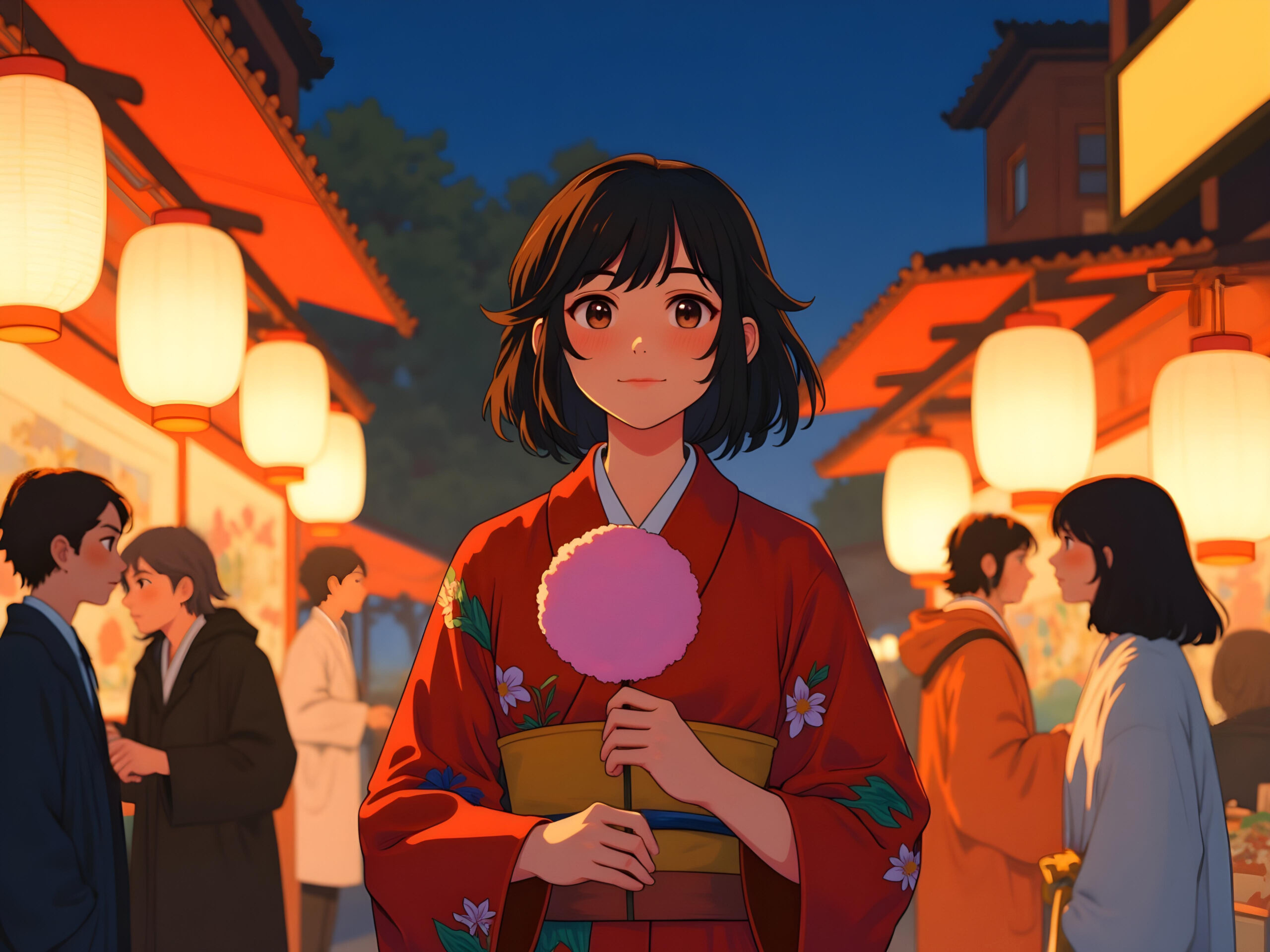
Modern Japanese anime reflects a major shift in storytelling, visuals, and audience expectations. While classic anime laid the foundation, newer series embrace sharper direction, cinematic animation, global themes, and emotionally complex characters. Today’s anime is more experimental, more inclusive of genres, and more willing to challenge traditional formulas.
Rather than relying only on long running formats, modern anime often focuses on tightly written seasons, strong artistic identity, and stories that resonate across cultures.
What Defines Modern Japanese Anime
Anime from the late 2010s onward tends to share several defining traits:
- High production quality with cinematic direction
- Shorter, more focused seasons
- Genre blending rather than strict categories
- Deeper psychological and emotional themes
- Global appeal without losing cultural identity
Modern anime often values mood, pacing, and symbolism as much as action.
Themes Shaping Modern Anime
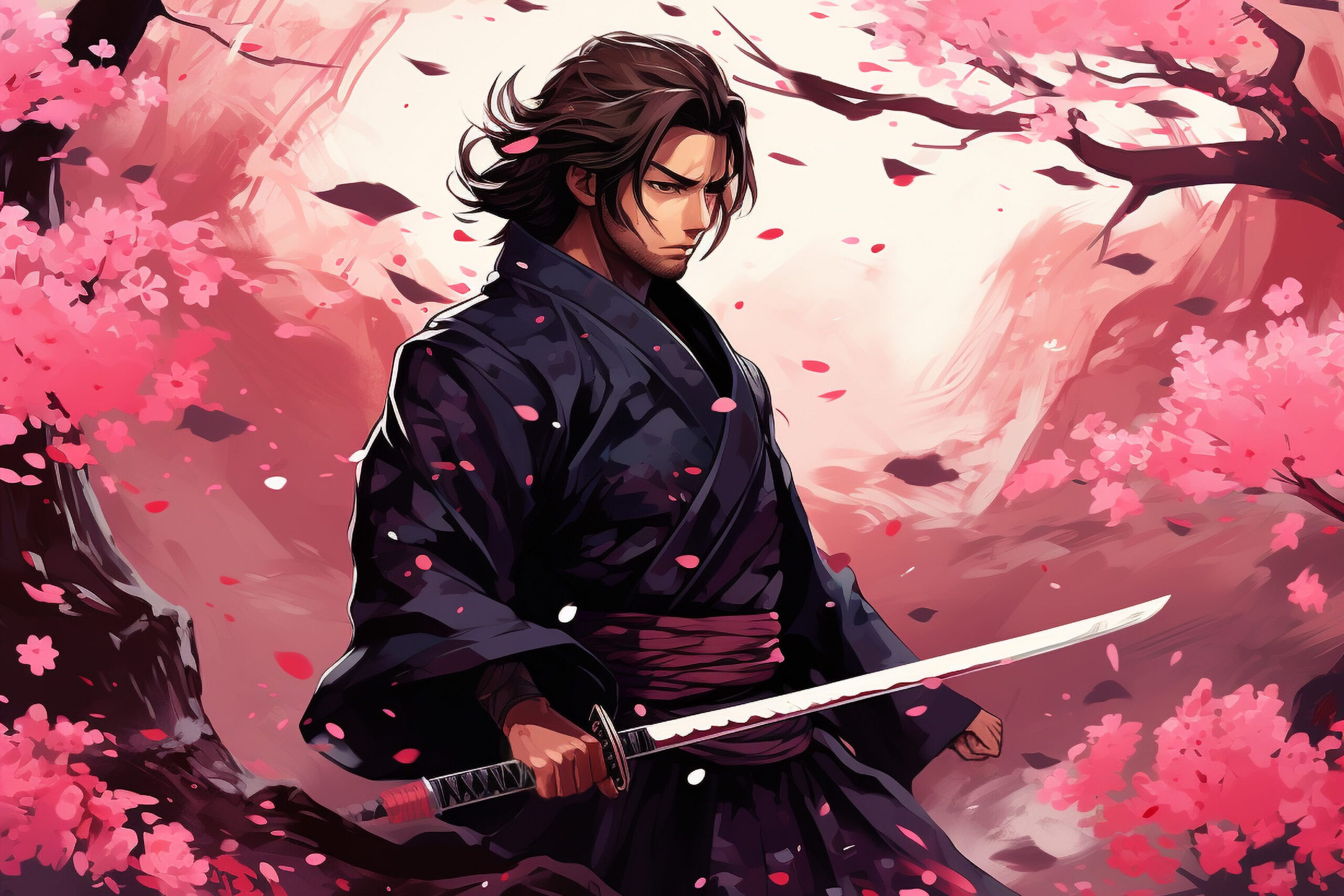
Identity and Self Discovery
Many modern anime explore characters questioning who they are in a changing world. Stories focus on internal conflict, trauma, and emotional growth rather than simple hero journeys.
Moral Ambiguity
Clear heroes and villains are increasingly rare. Characters make difficult choices shaped by circumstance, ideology, or survival, leaving outcomes open to interpretation.
Society and Systems
Modern anime frequently critiques social systems, power structures, technology, and authority. These stories reflect real world anxieties in symbolic or futuristic settings.
Loneliness and Connection
Isolation, digital life, and the search for meaning are recurring ideas, especially in urban or sci fi anime.
Popular Examples of Modern Japanese Anime
Attack on Titan
A defining modern anime that transformed from survival horror into a complex political and philosophical narrative. Its evolving themes and bold storytelling reflect the ambition of modern anime.
Jujutsu Kaisen
Known for fluid animation and dark energy, this series blends traditional action with modern pacing and character driven emotion. Its fight choreography and tone represent contemporary anime standards.
Demon Slayer: Kimetsu no Yaiba
A visual benchmark for modern anime, combining digital effects with traditional art influences. Its emotional core and family focused themes broaden its appeal beyond action fans.
Vinland Saga
A mature, slow burning story about violence, purpose, and redemption. It reflects modern anime’s willingness to prioritize character evolution over constant spectacle.
Mob Psycho 100
Visually experimental and emotionally sincere, this anime uses exaggerated animation to express inner conflict and personal growth, a hallmark of modern creative freedom.
Chainsaw Man
A raw and unconventional series that blends horror, absurdity, and emotional emptiness. Its tone, direction, and character writing exemplify modern anime’s risk taking nature.
Odd Taxi
A grounded, dialogue driven anime that proves modern anime does not need flashy visuals to be powerful. Its layered storytelling and social commentary are distinctly contemporary.
Visual Style and Animation Trends
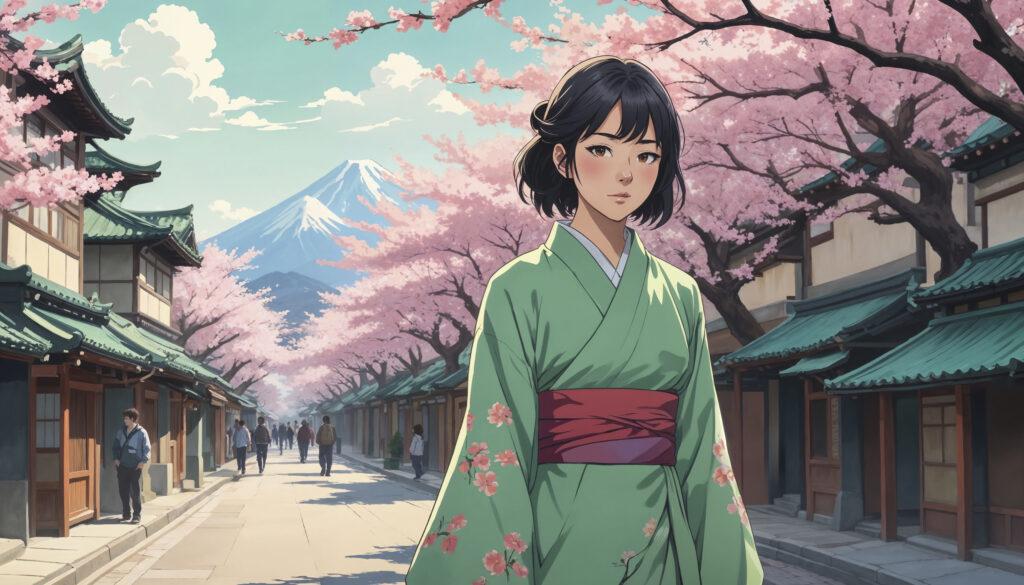
Modern anime places strong emphasis on:
- Dynamic camera movement
- Detailed lighting and color grading
- Expressive character animation
- Integration of digital tools with hand drawn art
Studios now treat anime episodes like short films, prioritizing direction and atmosphere.
How Modern Anime Differs From Classic Anime
Classic anime often focused on long arcs, episodic structure, and genre consistency. Modern anime favors:
- Seasonal storytelling
- Emotional realism
- Genre hybridization
- Strong directorial vision
This evolution allows creators more freedom to tell focused and impactful stories.
Why Modern Japanese Anime Resonates Globally
Modern anime speaks to universal emotions such as fear, ambition, loneliness, and hope. While rooted in Japanese culture, its themes are global, allowing viewers from different backgrounds to connect deeply with the stories.
Streaming culture and social media have also amplified anime’s reach, turning modern series into worldwide cultural events.
Modern Japanese anime represents a confident and evolving medium. It respects its roots while pushing creative boundaries through bold storytelling, visual innovation, and emotional honesty. Whether through intense action, quiet introspection, or social commentary, modern anime continues to redefine what animation can achieve and why it matters to audiences around the world.