You know that moment when a friend says, “Just watch the first episode,” and suddenly it’s 2 a.m. and you’re arguing with yourself about morality? That’s Death Note. It’s tense, clever, and built like a chess match where every move changes the board.
If you’re deciding whether it’s worth your time, or you want the clean watch order without spoilers, you’re in the right place.
What is Death Note (anime)?
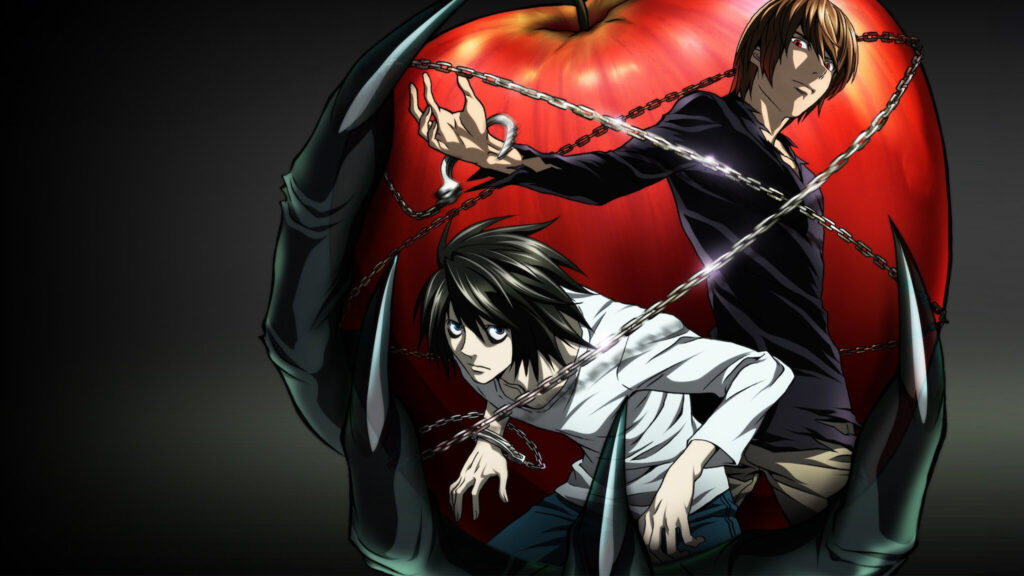
Death Note is a psychological thriller anime about a brilliant student, Light Yagami, who finds a supernatural notebook. The rule is brutally simple: write a person’s name in it, and they die. Light decides he can use it to eliminate criminals and reshape the world, which attracts the attention of an equally brilliant detective known as L.
The hook isn’t just the notebook. It’s the mind game that follows. Light tries to build a “perfect” new order. L tries to prove who’s behind the impossible deaths. Both are smart, stubborn, and willing to take risks.
Quick facts people usually want up front
- Episodes: 37
- Format: one complete TV series (no multiple seasons to chase)
- Tone: dark, tense, cerebral
- Pace: fast early, then shifts into longer strategic arcs
- Best for: fans of cat-and-mouse plots, moral dilemmas, smart twists
Death Note anime watch order (simple and correct)
If you want the core story:
- Death Note (TV series, all 37 episodes)
Optional extras, only if you’re curious after finishing:
- Death Note Relight 1: Visions of a God (condensed recap with a few changes)
- Death Note Relight 2: L’s Successors (condensed recap of the later story)
A real-world tip: the Relight movies are not the best first experience. They move fast because they’re basically a compressed retelling. Watch them only if you want a refresher or you like spotting what got tweaked.
What to expect while watching (without spoilers)
The first stretch is a sprint
The early episodes are famous for a reason. Plans stack on plans, every conversation feels loaded, and the show makes you lean forward because you’re trying to predict the next move.
It’s more thriller than horror
There are supernatural elements, but the fear is mostly psychological. The tension comes from surveillance, deception, pressure, and consequences.
The story changes shape halfway through
Without getting specific, the show evolves. Some viewers love the shift because it broadens the conflict. Others miss the intensity of the earlier dynamic. If you feel the pacing change, you’re not imagining it.
The main characters, explained like a friend would
- Light Yagami: a genius with a strong sense of justice that keeps sliding into something scarier. Watching him rationalize his choices is half the show.
- L: eccentric, brilliant, and relentlessly focused. He’s the kind of character who can walk into a room and make everyone nervous without raising his voice.
- Ryuk: the Shinigami who drops the notebook into the human world. He’s not your moral compass. He’s the spectator eating snacks while chaos unfolds.
Why Death Note got so popular
Death Note hits a rare sweet spot: it’s easy to start, hard to stop, and it gives you something to argue about after every episode.
Here’s what it does well:
- Clear stakes from episode 1. You instantly understand the “weapon” and the danger.
- Smart escalation. The show keeps forcing both sides to adapt.
- Moral tension that feels personal. People end up asking, “What would I do with that power?” and the honest answer is rarely flattering.
- Memorable style. The dramatic framing, music cues, and internal monologues make even “thinking” scenes feel intense.
Best way to watch it so it actually lands
If you binge too hard, the strategies blur together. If you watch too slowly, you forget the details that make the plot satisfying.
A good middle path:
- 2 to 4 episodes per sitting for the early run, because the momentum is high.
- 1 to 2 episodes per sitting later on, when the show becomes more layered and detail-heavy.
- Avoid multitasking. Death Note loves tiny reveals. If you’re half-watching, you’ll miss why a scene matters.
Content notes (quick and honest)
Death Note is dark but not graphic in a constant way. Expect:
- deaths and discussions of death
- crime, punishment, and moral arguments
- manipulation, pressure, paranoia
- some disturbing imagery and intense moments
If you want something lighter, this one isn’t background comfort TV.
If you liked Death Note, watch these next
These are good “scratch the same itch” picks, grouped by why people usually love Death Note.
If you want more mind games and outsmarting
- Code Geass (strategy, power, big consequences, lots of plotting)
- Kaiji: Ultimate Survivor (high-stakes gambles, psychological pressure)
If you want dark crime and serious tension
- Monster (slow-burn thriller with a chilling antagonist)
- Psycho-Pass (crime, ethics, systems, and moral tradeoffs)
If you want supernatural mystery with a twisty plot
- Erased (mystery-driven, emotional stakes, strong hook)
- Parasyte: The Maxim (body horror elements plus identity and survival themes)
If you want “one person vs a system” intensity
- Terror in Resonance (tense cat-and-mouse vibe, modern thriller mood)
- Death Parade (moral judgment, human nature, darker episodic stories)
Death Note anime FAQ
Is Death Note a good starter anime?
Yes, especially if you like thrillers. It’s straightforward to begin, the hook is immediate, and it finishes cleanly.
Does it have filler?
Not in the way long shonen series do. The pacing changes, but the story is moving toward an ending.
Sub or dub?
Both are watchable. If you like sharper dramatic tone, go sub. If you prefer English performances and want an easier casual watch, the dub works.
Do I need anything besides the anime?
No. The 37-episode series is the main experience.
A quick way to decide tonight
If you want a show that feels like a battle of brains, with big moral questions and constant pressure, start Death Note and give it three episodes. By the end of episode 3, you’ll know if you’re in.